
Mass Timber in Florida
FAQs, Codes, and Climate ConsiderationsAs interest in mass timber grows nationwide, Florida project teams are beginning to ask more detailed, practical questions. Beyond sustainability and aesthetics, developers, designers, and builders want to understand how mass timber fits within Florida’s building codes, climate conditions, and long-term performance expectations.
Below are straightforward answers to some of the most common questions we hear when mass timber enters the conversation in Florida.
Is Mass Timber Allowed Under Florida Building Codes?
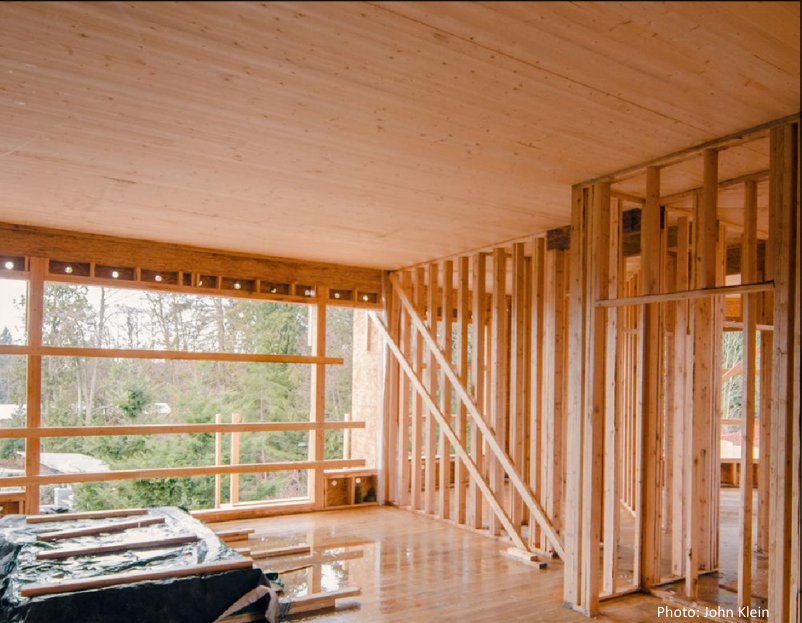
Yes. Florida adopted provisions for mass timber construction as part of its 2023 Florida Building Code update. These provisions align with national standards that recognize mass timber under Construction Types IV-A, IV-B, and IV-C.
These classifications allow taller and larger wood buildings than traditional codes previously permitted, opening the door for mass timber use in commercial, multifamily, institutional, and mixed-use projects across the state. As with any structural system, code compliance depends on proper design, detailing, and coordination with local authorities having jurisdiction.
How Does Mass Timber Perform in Florida’s Climate?
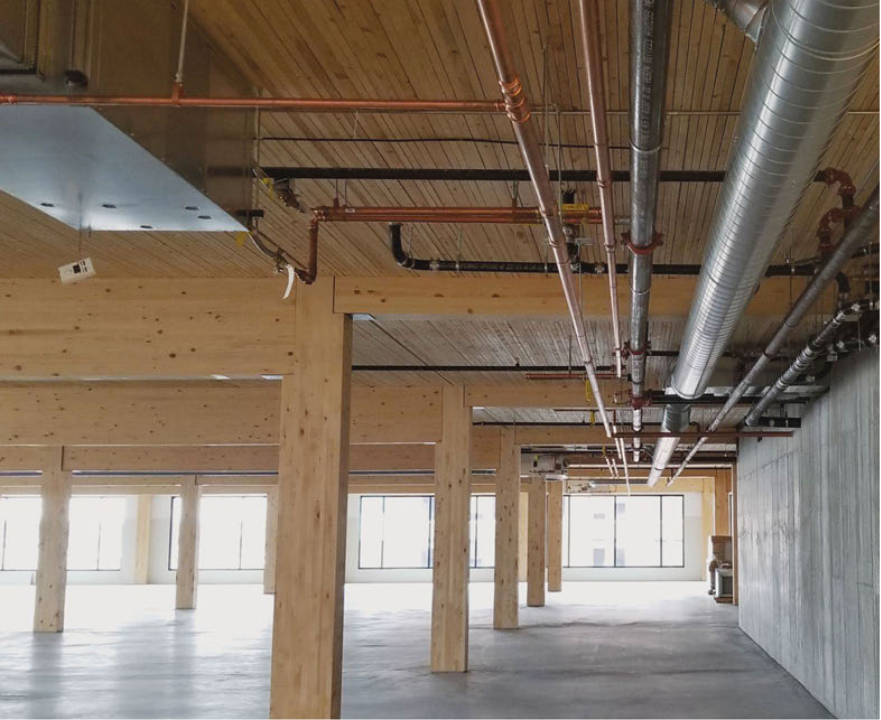
Florida’s warm, humid environment requires careful attention to moisture management—regardless of the structural system used. Mass timber panels are engineered for dimensional stability, but successful performance depends on how the system is detailed and protected.
Key considerations typically include:
- Moisture barriers and protective finishes
- Ventilation strategies to manage humidity
- Sequencing during construction to limit prolonged exposure
- Long-term maintenance planning
Mass timber can perform well in Florida when treated as part of a complete building system rather than a standalone material choice.
Can Mass Timber Meet Florida’s Wind and Hurricane Requirements?
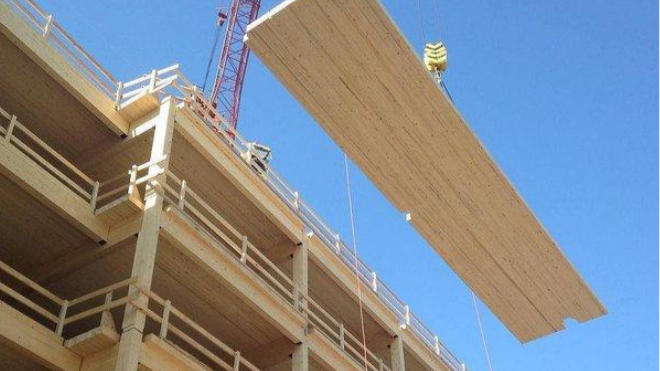
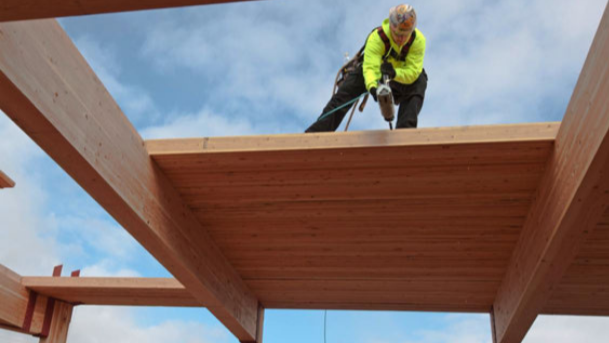
Yes, when designed as an integrated structural system. Mass timber buildings rely on engineered panels, steel connections, and floor and roof assemblies that work together to resist wind and lateral forces.
In many cases, mass timber projects incorporate additional elements, such as concrete topping slabs or steel reinforcement, to create rigid diaphragms capable of meeting Florida’s wind-load requirements. Performance is driven by engineering, connections, and detailing, not the material alone.
Is Mass Timber More Expensive to Build in Florida?
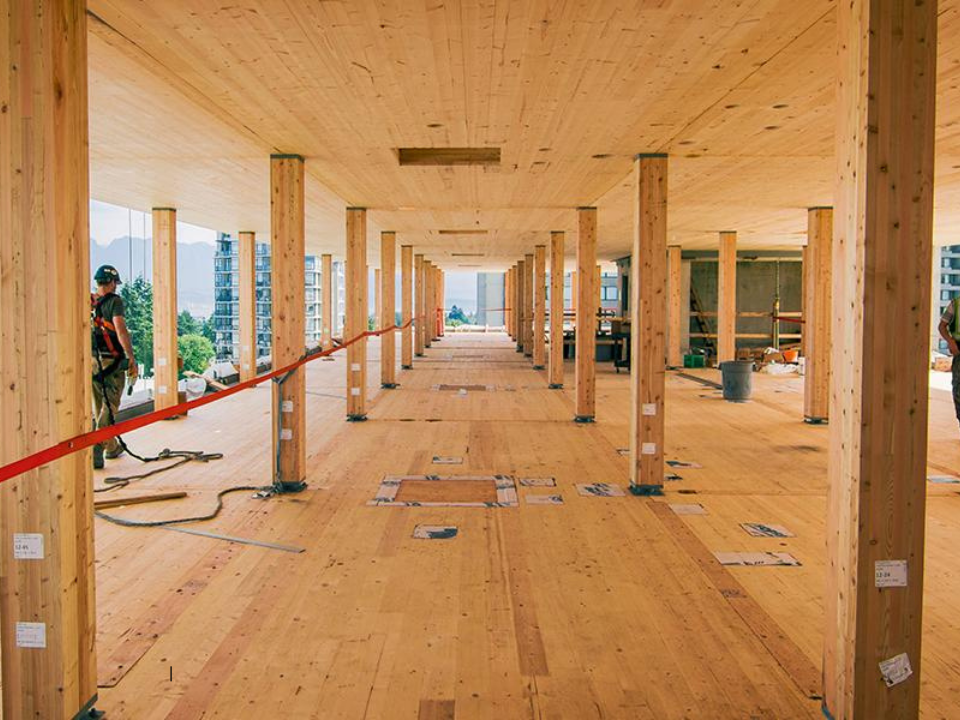
Costs vary by project. While mass timber materials may carry a higher upfront cost compared to some conventional systems, other factors can help offset that difference.
Potential considerations include:
- Shorter construction schedules due to prefabrication
- Reduced on-site labor requirements
- Smaller foundation demands in certain conditions
- Fewer interior finish layers when structural wood is exposed
- Increase rents $/SF due to tenant demands for sustainability and biophilic design
As with any system, early evaluation is important to understand how mass timber impacts overall project cost—not just material pricing.
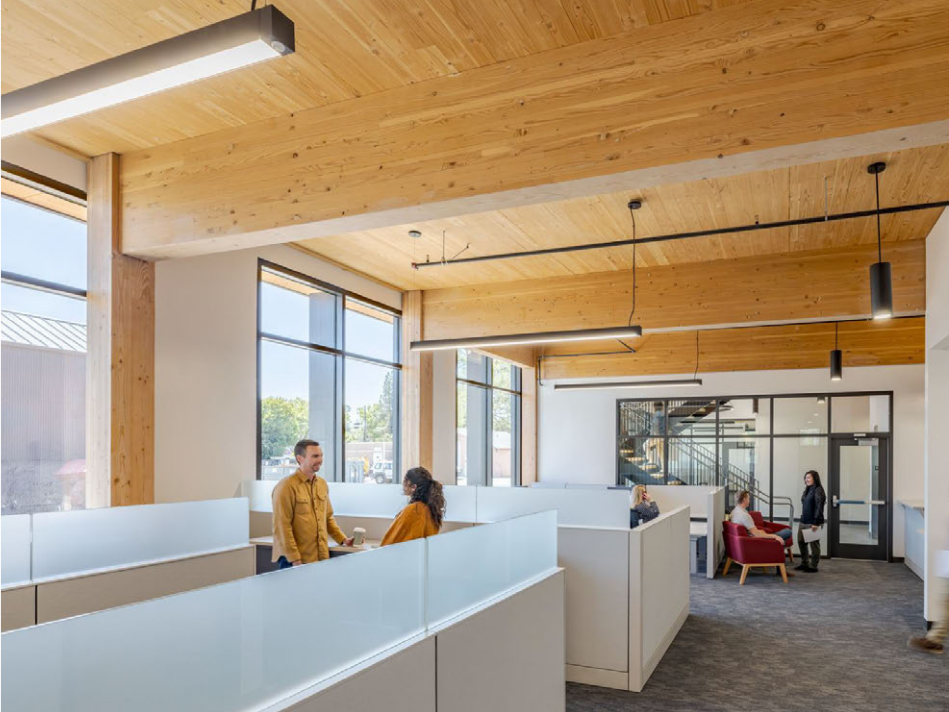
What Types of Projects in Florida Are Best Suited for Mass Timber?
Mass timber has been used successfully in a range of building types, including:
- Mixed-use developments
- Office and workplace environments
- Multifamily housing
- Hospitality and retail spaces
- Institutional and educational buildings
Projects that value speed, sustainability goals, and occupant experience often explore mass timber as an option. That said, suitability depends on site conditions, building height, budget, and project priorities.
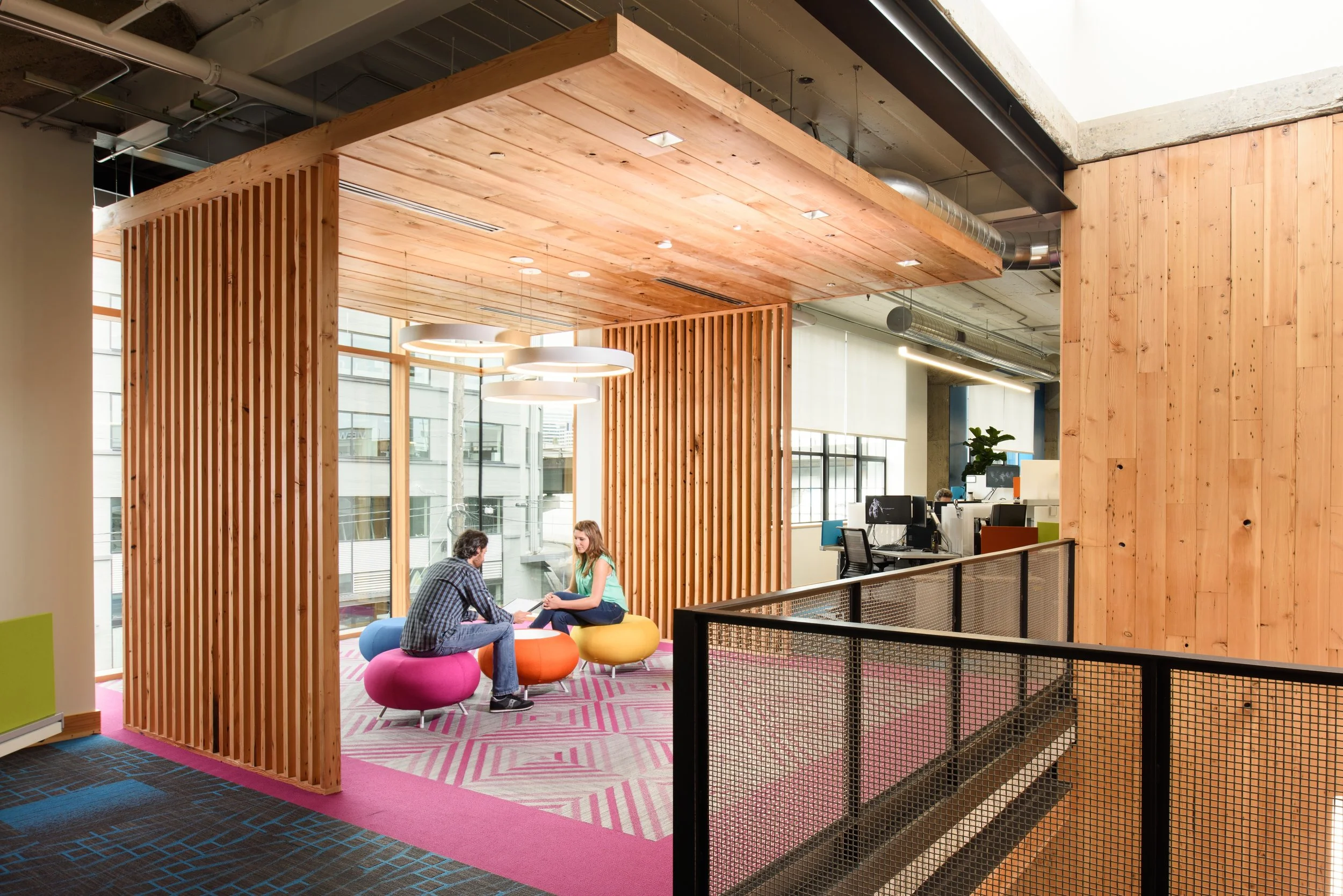
How Does Mass Timber Support Biophilic Design?
Biophilic design focuses on creating spaces that connect people to natural elements through materials, light, and spatial experience. Mass timber supports this approach by allowing natural wood to remain visible as part of the structure itself.
Exposed wood surfaces can contribute to warmer interiors, reduced visual clutter, and a stronger sense of material authenticity. Research referenced by the WELL Building Standard and similar frameworks suggests that environments incorporating natural materials can support comfort, focus, and overall occupant satisfaction when thoughtfully designed.
Is Mass Timber the Right Choice for Any Florida Project?
No. Mass timber is one of several viable structural systems available today. In some cases, traditional materials such as concrete or steel may be better suited based on project constraints or performance requirements.
The value of mass timber comes from understanding where it aligns with a project’s goals—and where it doesn’t. Early conversations around structure, climate considerations, and long-term use help teams make informed decisions before design paths are locked in.
A Practical Perspective
Mass timber adoption in Florida is still evolving. Each project adds to the collective understanding of how these systems perform in local conditions, particularly around moisture management, detailing, and coordination.
For teams beginning to explore mass timber in Florida, understanding code, climate, and constructability early can help shape better outcomes. Reach out to our team to start the conversation.